The key to better medication management is building a system that doesn't rely on memory. Use a dedicated reminder app with persistent alerts, keep an updated medication list, organize with a pill organizer, and review your regimen with your doctor regularly. These steps dramatically reduce missed doses, prevent dangerous interactions, and keep your treatment on track.
Managing medications may seem straightforward, but it gets overwhelming fast when you're juggling multiple prescriptions with different timing, dosage, and food requirements. If you're taking 5 or more medications daily, you're not alone, and you need more than good intentions to stay on track.
Here are 8 practical tips that actually work.
1. Use a Medication Reminder App With Persistent Alerts
One of the most effective ways to stay on top of your medications is to use a medication reminder app. But not just any app, you need one with persistent alerts that won't let you swipe away and forget.
Regular phone alarms are easy to dismiss on autopilot. The best medication apps track whether you've confirmed your dose and keep alerting you until you respond. This also creates a log, so you never have to wonder "did I already take that?"

What to look for in an app:
- Persistent reminders: Alerts that keep going until you acknowledge them, not silent notifications you can accidentally dismiss
- Dose tracking and logging: A clear record of what you've taken and when, so you're never guessing
- Stock tracking and refill reminders: Get alerts before you run out, not after
- Smart snooze: Auto-pause during calls or driving, then re-alert when you're available
Note: Medisafe, once a popular free option, moved to a paid subscription model in January 2026. If you're looking for a free alternative, Pillo offers persistent alarms, stock tracking, and complex schedule support — all completely free.
2. Maintain an Up-to-Date Medication List
Creating a detailed medication list is simple but powerful. This list should include everything you take, prescription medications, over-the-counter medicine, supplements, and vitamins.
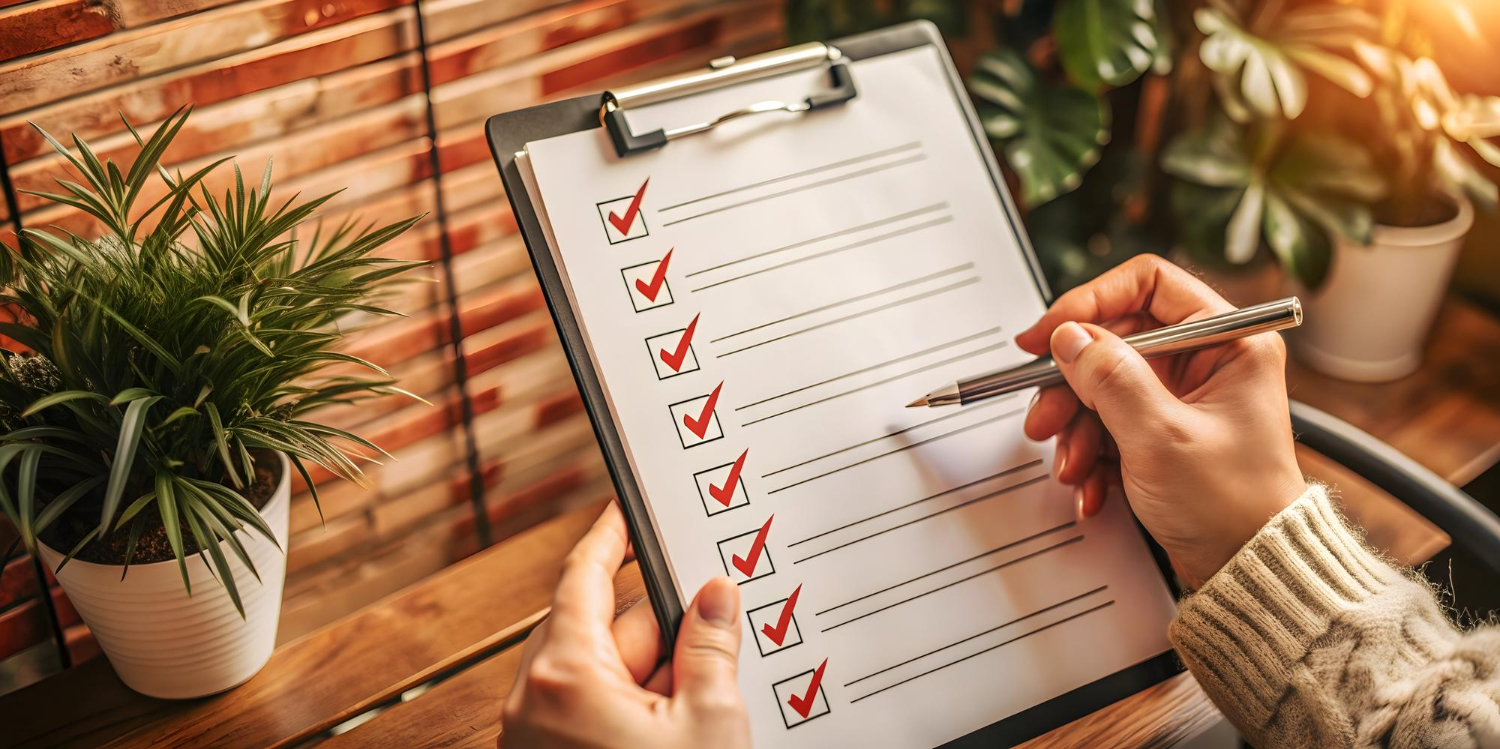
For each medication, record:
- Drug name and exact dosage (e.g., "Metformin 500mg")
- How many times per day and exact timing
- Food requirements (with food, empty stomach, or doesn't matter) — if you're unsure, learn which medications to take with food and which need an empty stomach
- Special instructions (don't lie down after, avoid grapefruit, etc.)
- Prescribing doctor
Why it matters:
- Quick reference: See everything at a glance instead of juggling multiple prescription bottles
- Better doctor visits: Share your list during appointments so your provider can make informed decisions and catch potential interactions
- Emergency preparedness: First responders can quickly understand your regimen, which can influence treatment decisions
Keep a copy on your phone and a printed backup in your wallet. Update it every time something changes. If you're managing multiple medicationsthis list is essential.
3. Use a Pill Organizer for Multiple Medications
A weekly pill organizer is one of the simplest and most effective medication management tools. Fill it once a week, and every day you get a clear visual answer: compartment empty = pill taken.

How it helps:
- Prevents missed or double doses: Pre-sorting by day and time eliminates guesswork. If you ever wonder "did I take my pill?"just check the compartment.
- Simplifies complex regimens: See at a glance what needs to be taken and when, even with 5+ medications
- Improves adherence: A clear visual system works better than trying to remember, especially for those managing complex schedules
Tip: Fill your organizer at the same time each week (like Sunday evening) and make it part of your routine. Combine it with a reminder app for the best results.
4. Build a Medication Routine Through Habit Stacking
"Habit stacking" means pairing your medication with something you already do every day without fail. This creates a mental association that makes taking your medication automatic.

Examples of habit stacking:
- Right after brushing your teeth in the morning
- With your first cup of coffee
- Right before your evening meal
- As part of your bedtime routine
Why it works:
- Creates automatic behavior: Pairing medication with an existing habit means you don't have to actively remember
- Reduces forgetfulness: The anchor habit triggers the medication habit naturally
- Handles routine disruptions: When your routine changes (travel, weekends, a new work schedule), your persistent reminder app catches what habit stacking misses. If a lifestyle change means you need to shift your doses, here's how to switch your medication times safely.
The key is choosing an anchor habit that happens at the same time and place every day.
5. Store Medications Properly
Proper storage is often overlooked but plays a critical role in medication effectiveness. Medications stored incorrectly can lose potency or become harmful.

Key storage rules:
- Cool, dry place: Most medications should be stored away from direct sunlight and humidity. The bathroom cabinet is actually one of the worst spots.
- Keep out of reach: Store medications where children and pets can't access them. Use child-proof containers when necessary.
- Stay organized: Keep medications in a designated area to avoid mixing them up, especially if multiple family members take different medications.
If you're unsure about proper storage for a specific medication, ask your pharmacist, they'll give you guidance tailored to your exact prescriptions.
6. Review Your Medications Regularly With Your Doctor
At least once a year, sit down with your doctor or pharmacist and review your entire medication regimen. This is especially important if you're on long-term medications or have recently started something new.

What to discuss:
- Are all medications still necessary? Conditions change, and sometimes medications can be consolidated or discontinued
- Are there interactions? This is especially important if you see multiple specialists who may not know about each other's prescriptions
- Are there simpler alternatives? A once-daily version of something you're taking three times a day can simplify your whole schedule
- Side effects you've been ignoring? Sometimes what you think is "just aging" is actually a medication side effect
Bring your master medication list to every appointment. This conversation can dramatically simplify your regimen.
7. Be Honest With Your Healthcare Team
Honest communication with your doctor is essential for safe medication management. Many patients are reluctant to disclose lifestyle habits, but these can significantly impact how medications work.

Why transparency matters:
- Prevents dangerous interactions: Alcohol can interfere with certain medications, and smoking can alter how drugs are metabolized. Your doctor needs the full picture.
- Tailors your treatment: If you're taking over-the-counter medications, herbal supplements, or vitamins, sharing this helps avoid harmful combinations
- Improves outcomes: Dietary habits (high salt, grapefruit, etc.) can affect how specific medications work. Your doctor can adjust accordingly.
Your healthcare team can only help you as well as the information you give them. No judgment, just better care.
8. Use Wearable Devices as Backup Reminders
Smartwatches and fitness trackers can serve as helpful backup reminders, especially when your phone isn't nearby.

How wearables help:
- Discreet reminders: A vibration on your wrist is less intrusive than a phone alarm, useful in meetings or social situations
- Health monitoring: Some wearables track vital signs like heart rate and blood pressure, helpful if your medications require monitoring
- Always accessible: Your watch is always on your wrist, even when your phone is in another room
- App integration: Many wearables sync with medication reminder apps for a seamless experience
Wearables work best as a complement to a dedicated medication app, not a replacement. The vibration gets your attention; the app tracks and manages your full medication schedule.
How Pillo Makes Medication Management Simple
If you've tried basic phone alarms and still miss doses, it's not a willpower problem — it's a tools problem. Pillo was built specifically for people who need more than a simple notification.
- Persistent alarms that keep going until you respond, no more silent notifications you swipe away
- Complex schedule support for multiple medications with different timing, food requirements, and day patterns
- Stock management that tracks your pill count and warns you before you run out
- Smart snooze that pauses during calls and re-alerts when you're available
- Adherence reports that show which doses you're consistently missing, so you can fix the pattern
- Dependents management to manage medications for family members from your own phone
All of this is completely free. No premium tier for core features, no subscription wall.
Frequently Asked Questions
What is the best way to manage multiple medications?
Build a system with three components: a master medication list with timing and food requirements, a persistent reminder app that tracks your doses, and a weekly pill organizer. Group your medications into timing windows (morning, midday, evening, bedtime) instead of trying to remember each one individually. This combination covers both organization and accountability.
What is the best medication management app in 2026?
The best medication management app depends on your needs, but key features to look for are persistent alarms (not just notifications), dose tracking, stock management, and complex schedule support. Pillo offers all of these for free on Android. Medisafe, previously a popular free option, moved to a paid subscription model in January 2026.
How do I avoid forgetting to take my medication?
Use habit stacking, pair your medication with an existing daily habit like brushing your teeth or having your morning coffee. Combine this with a reminder app that uses persistent alerts (not just notifications you can swipe away) and a weekly pill organizer for visual confirmation. If you still forget, it's a tools problem, not a memory problem.
Is it dangerous to miss one dose of medication?
For most daily medications, missing a single dose has minimal impact. It's generally safer to skip a missed dose than to double up. However, some medications, like blood thinners, seizure medications, and insulin — require more careful management. When in doubt, call your pharmacist for guidance specific to your medication.
How often should I review my medications with my doctor?
At minimum, once a year, more often if you're taking 5 or more medications, seeing multiple specialists, or experiencing side effects. Medication reviews help identify drugs that are no longer needed, catch potential interactions, and find simpler alternatives. Always bring your complete medication list to the appointment.
This article provides general information about medication management and is not a substitute for professional medical advice. Always consult your doctor or pharmacist before making changes to your medication routine.
Reviewed under our Medical Review Policy.